Meet the Principal Investigator
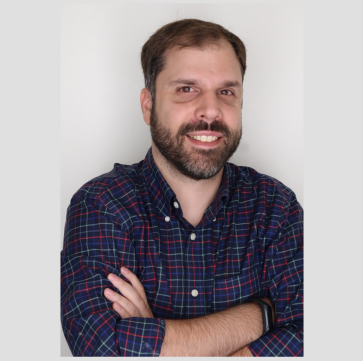
Georgios Tseropoulos
Principal Investigator
George Tseropoulos is a bioengineer (ChemE by training) whose research journey began in neuroengineering. There, he became interested in how cells respond to injury, disease, and their extracellular microenvironment. During his doctoral training, he studied stem-cell-based strategies for neural repair and developed biomaterial platforms designed to guide cell behavior and support tissue regeneration against multiple sclerosis (MS) and demyelinating disorders.
His work later expanded into mechanobiology, extracellular vesicles, and inflammatory cell signaling. He is particularly interested in how cells interpret mechanical cues, including tissue stiffness and matrix architecture, alongside biochemical signals from neighboring cells. These questions have led him to study fibrosis, cardiovascular disease, immune-cell behavior, and the clinical potential of extracellular vesicles.
Today, his research combines biomaterials engineering, advanced microscopy, quantitative image analysis, and cell bioegnineering to understand how cellular microenvironments shape disease progression and regeneration. Under the umbrella of neuroengineering and heart disease, he is driven by a central question: how can the environments and signals surrounding cells be engineered to modulate cell behavior towards diagnostics and therapeutics?